CORE CONDITIONS - ABOUT US
 Developing people is not a limited assignment, it is something that demands a total and complete commitment.
-Margaret Thatcher
Who do we serve?

Core Conditions, Inc. provides Short Term Residential Therapeutic Care (STRTP) to males, ages 12-19, who are experiencing a wide range of mental health conditions including, but not limited to:
- Posttraumatic Stress Disorder
- Bipolar Disorder/Depression/Anxiety
- Attachment Disorder
- Disruptive Behavior Disorders
- Self-Harming Behavior
- Substance Abuse
- Thought Disorders
- Anger/Aggression
- Attention Deficit Hyperactivity Disorder
- Pervasive Developmental Disorders
What is our Philosophy?

We believe emotional disturbance is the result of complex physiological, social-psychological, environmental, & developmental factors. To help each child heal, we provide a structured, home-like environment, empowered by humanistic values and principles. Our humanistic philosophy honors the personhood of each child. Guided by our philosophy, we are able to assist youth in extinguishing long-learned maladaptive behaviors, while also healing internal wounds. The result; an overall corrective emotional experience.
What Specialty Mental Health Services (SMHS) are Offered?

- Assessment
- Plan Development
- Individual Therapy
- Family Therapy
- Group Therapy
- Crisis Intervention
- Rehabilitation Services
- In Home Behavioral Services
- Targeted Case Management
- Intensive Care Coordination
- Collateral Services
- Medication Management
Innovative Treatment Services
Animal-Assisted Therapy
Therapeutic use of animals has shown to be effective in treating symptoms and behaviors related to a variety of problems, including trauma and attachment related disorders. The very concept of Animal Assisted Therapy/Activities is based upon the belief that healing for children separated from parents and loved ones due to abuse and neglect is possible through healthy interactions with other living things. These interactions provide experiences that teach respect, foster creativity, instill self-worth, encourage healthy attachments, and assist the children in becoming whole again. The treatment is based on the philosophy that animals provide nurturing experiences that significantly reduce barriers to healthy living. Animals can be an emotional outlet as youth communicate using verbal and non-verbal techniques with animals. Youths gain a calming effect first and foremost when animals are used in interventions. Animal companionship is so beneficial, because unlike human interaction, it is uncomplicated. Animals are non-judgmental, accepting, attentive and non-threatening. They give youths in our program an opportunity to develop a sense of responsibility and offer a non-threatening outlet for physical contact, so desperately needed when treating children in out-of-home placement. These services are conducted by outside providers.

Aggression Replacement Therapy
Aggression Replacement Training (ART) is an evidence-based practice which is designed to improve the social skills of the client. Conducted in a group setting, the practice consists of 30 group sessions, broken into 3 areas:
Aggression Replacement Training | Moral Reasoning Group:
The Moral reasoning group is the “cognitive component” of Aggression Replacement Training (ART). These sessions help raise participants’ level of fairness, justice and concern with the needs of the rights of others. In these sessions, also called social decision-making meetings, client thinking at differing levels of moral reasoning discuss problem situations relevant to their lives. This discussion arouses an experience of cognitive conflict, whose resolution will frequently advance participant’s reasoning. Moral reasoning sessions involve four phases: 1) Introducing the problem situation; 2) Cultivating moral maturity; 3) Remediating moral developmental delay; and, 4) Consolidating moral maturity.
Aggression Replacement Training | Anger Control Group:
The anger control group is the “affective component” of aggression replacement training (ART). In a complementary manner to the social skills group, anger control teaches participants what not to do. In brief, the goal of anger control training is to teach youngsters the inhibition of anger. As sessions progress, participants are required to describe anger-arousing experiences, recording them on a “hassle log.” They then learn to respond to their hassles with a chain of behaviors that include the following: 1) identifying triggers; 2) identifying cues; 3) using anger reducers; 4) using reminders; 5) thinking ahead; and 6) using self-evaluation.
Aggression Replacement Training | Social Skills Group:
Social skills training is the “behavioral component” of Aggression Replacement Training (ART) and is a systematic psycho-educational intervention designed to teach pro-social behaviors. Acquiring these pro-social skills offers participants the chance to substitute pro-social behaviors for their characteristic action of aggression. Sessions involve the following four procedures: 1) Modeling; 2) Role-playing; 3) Performance feedback; and, 4) Transfer training.

Biofeedback Therapy
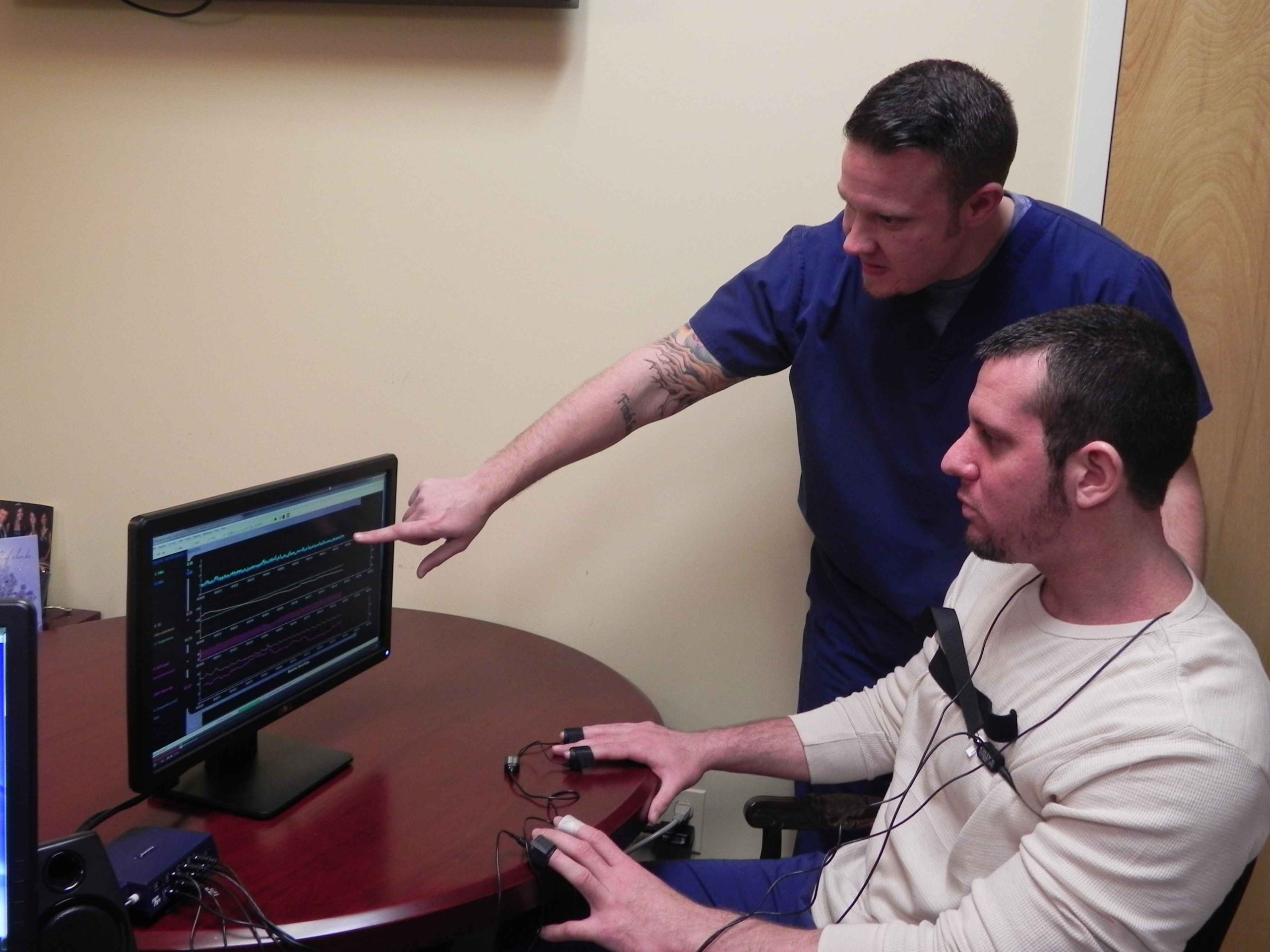
Biofeedback refers to a group of therapeutic procedures that use electronic instruments to record and to display information to the patient about the ongoing activity of various body (physiologic) processes of which the person is usually unaware. Biofeedback equipment helps clinicians show patients in ‘real time’, on a computer monitor, which relaxation techniques are effective for them, and which aren’t. Patients are then better able to grasp effective ways to regulate their autonomic nervous system and incorporate healthier habits into their daily lifestyles.
The goal of biofeedback therapy is to help the patient achieve voluntary control over physiological activity that is normally involuntary or that has become involuntary through accident or disease. Biofeedback procedures and techniques are used in the treatment of a variety of medical, psychophysiological, mood, and behavioral disorders.
Biofeedback has been shown to help patient’s control stress responses by teaching them how to employ relaxation techniques such as, diaphragmatic breathing, visualizations, and guided meditation. These techniques can help the youth learn to calm heightened states of psychophysiological arousal. Many of the benefits of biofeedback simply come from the patients learning how to better and more effectively learn to relax and reduce their chronically triggered fight-or-flight responses. Because chronic stress can be a trigger to many negative health symptoms, biofeedback can offer a significant and palpable improvement in the way people feel, as well as in how their bodies function. These services are conducted by the facility’s Program Director.
Dialectical Behavior Therapy (DBT)
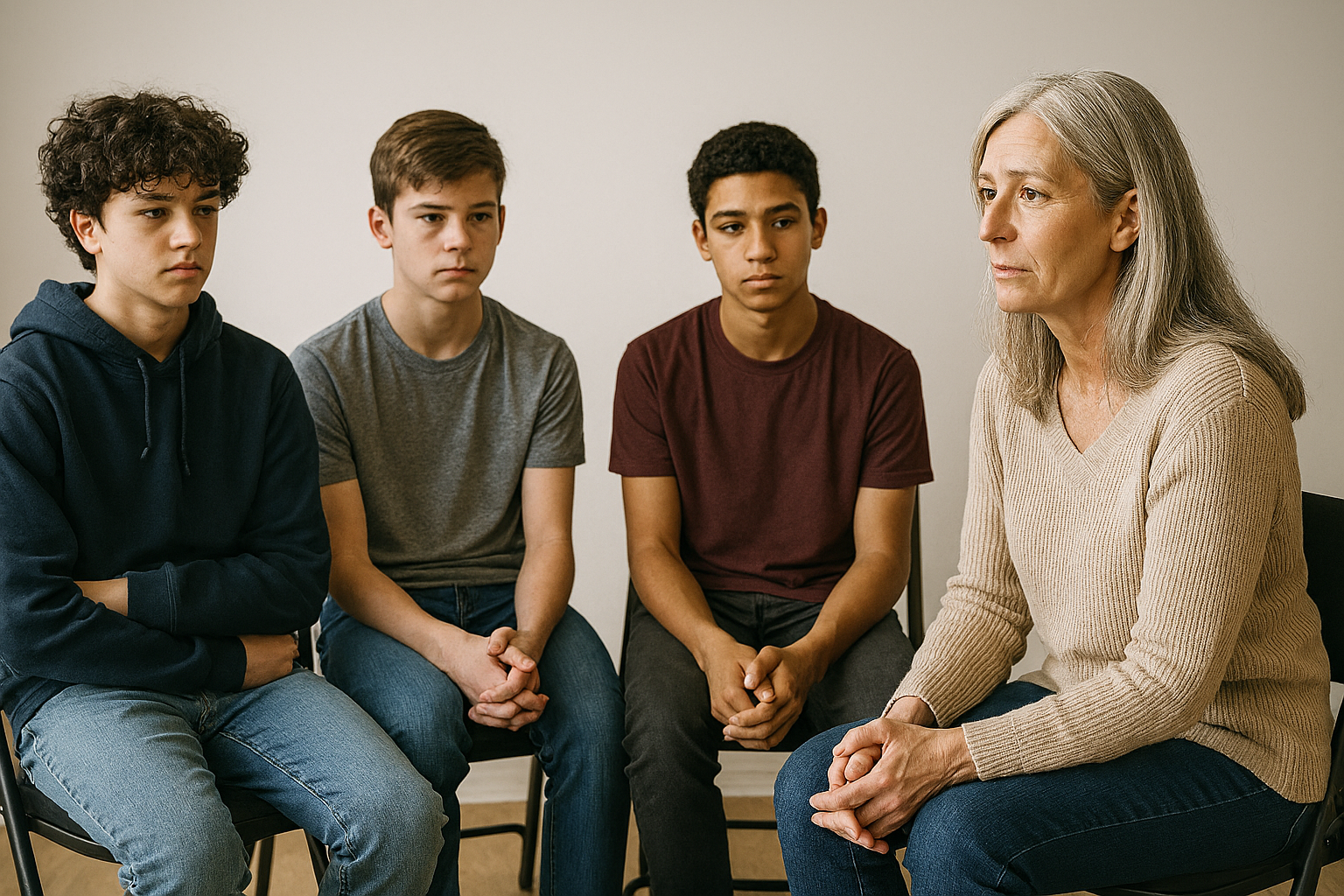
Dialectical behavior therapy (DBT) is a type of cognitive behavioral therapy. Its main goals are to teach people how to live in the moment, cope healthily with stress, regulate emotions, and improve relationships with others.
It was originally intended for people with borderline personality disorder (BPD) but has since been adapted for other conditions where the patient exhibits self-destructive behavior, such as eating disorders and substance abuse. It is also sometimes used to treat post-traumatic stress disorder.
People undergoing DBT are taught how to effectively change their behavior using four main strategies:
- Mindfulness skills, which is perhaps the most important strategy in DBT, teaches you to focus on the present or “live in the moment.” By doing so, you can learn to pay attention to what's going on inside of you (thoughts, feelings, sensations, impulses) as well as what's outside of you (what you see, hear, smell, and touch). These skills will help you to slow down so you can focus on healthy coping skills in the midst of emotional pain. Mindfulness can help you to stay calm and avoid engaging in automatic negative thought patterns and impulsive behavior.
- Distress tolerance teaches you to accept yourself and the current situation. More specifically, you learn how to tolerate or survive crises using four techniques: distraction, self-soothing, improving the movement, and thinking of pros and cons. By learning distress tolerance techniques, you'll be able to prepare in advance for any intense emotions and cope with them with a more positive long-term outlook.
- Interpersonal effectiveness helps you to become more assertive in a relationship (for example, expressing needs and saying "no") while still keeping that relationship positive and healthy. This happens by learning to listen and communicate effectively, deal with difficult people, and respect yourself and others.
- Emotion regulation provides a set of skills that help to keep your emotional system healthy and functioning. It teaches you to adjust your emotions, including the intensity, when you have it, and how you react to it. By recognizing and coping with negative emotions (for example, anger), you can reduce your emotional vulnerability and have more positive emotional experiences.
Drug/Alcohol Counseling
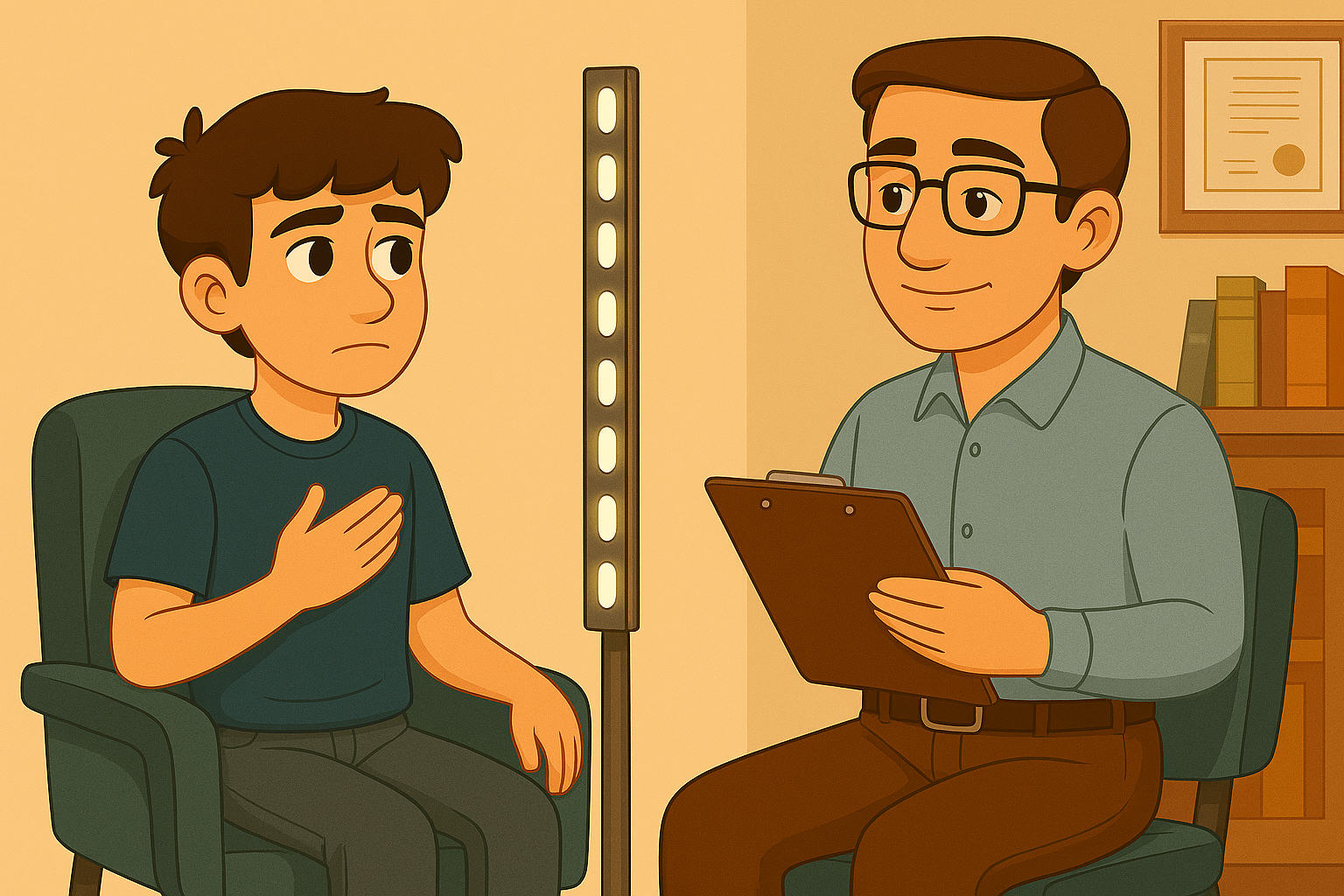
The substance abuse group teaches new ways to cope with maladaptive thoughts and feelings that often lead to self-medicating with drugs, alcohol and other elicit substances. A group-based approach is used with emphasis on: counseling, education, abstinence and relapse prevention.

El Joven Noble
El Joven Noble (Noble Man) is 12-week, evidence-based, youth development, support, and leadership group aimed at at-risk male youth. Topics of the group include: Character development, promotion of healthy relationships, the reduction and prevention of unintended pregnancies, substance abuse, community violence, being a man of your word (integrity), stereotypes of men, maleness vs. manhood, intimate partner violence, and community engagement. This group specifically emphasizes that a “Real Man” is one that respects and values his family, partner, and the community, rather than falling into the stereotypical “Macho” perception. In essence, this group provides participants with the education, knowledge, and skills to assist them on their path to becoming responsible, productive, adult men.

Eye Movement Desensitization and Reprocessing (EMDR)
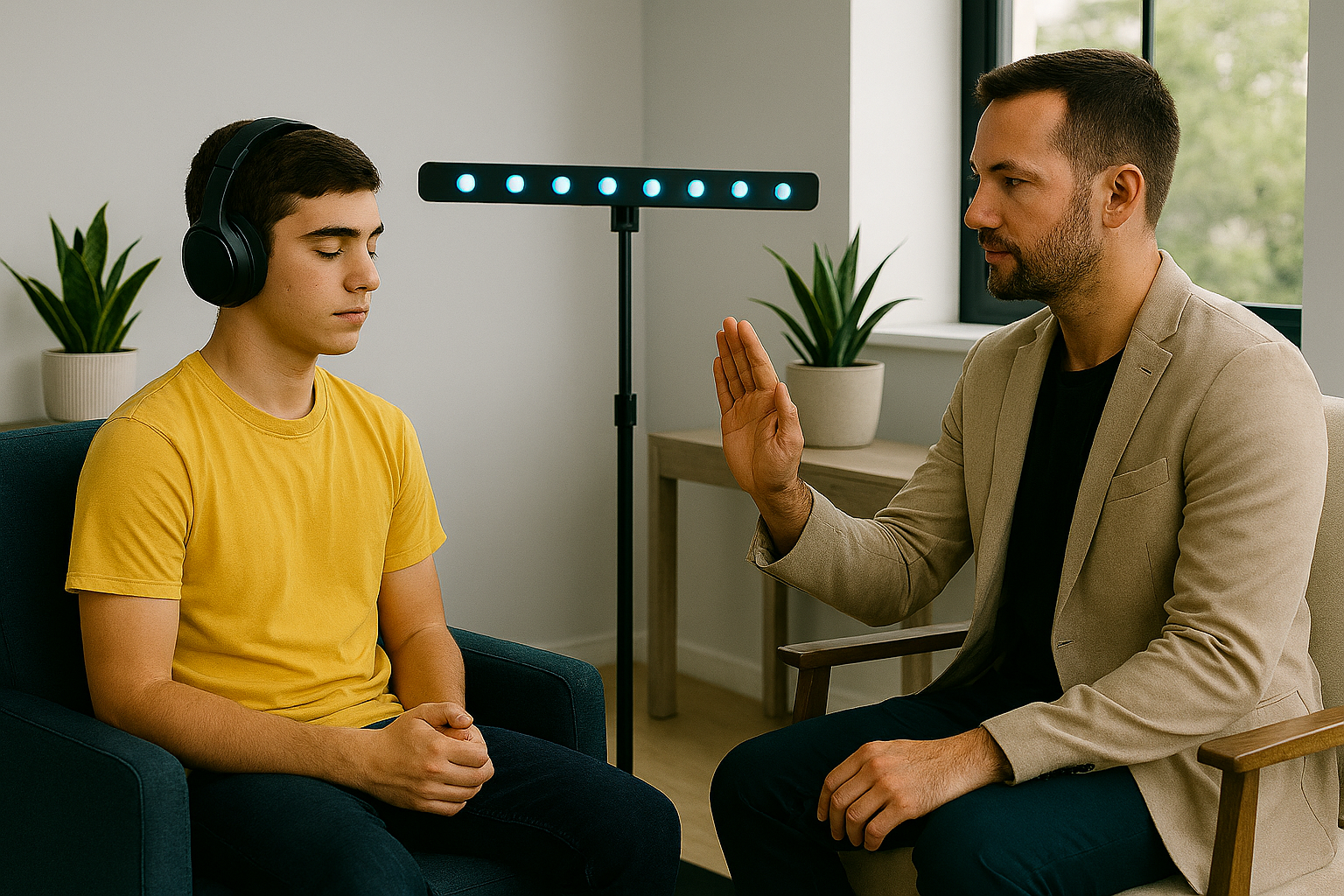
EMDR is a structured therapy that encourages the patient to briefly focus on the trauma memory while simultaneously experiencing bilateral stimulation (typically eye movements), which is associated with a reduction in the vividness and emotion associated with the trauma memories. Eye Movement Desensitization and Reprocessing (EMDR) therapy is an extensively researched, effective psychotherapy method proven to help people recover from trauma and PTSD symptoms. Ongoing research supports positive clinical outcomes showing EMDR therapy as a helpful treatment for disorders such as anxiety, depression, OCD, chronic pain, addictions, and other distressing life experiences.
Gang Intervention
This group focuses on building life skills and problem-solving strategies with the goal of reducing gang affiliation and violent behavior. Areas of emphasis are on prevention, resistance, intervention, and victim awareness.

Motivational Interviewing (MI)
Staff are trained in Motivational Interviewing (MI). Motivational Interviewing is Evidence Based and a method that works on facilitating and engaging intrinsic motivation within the client to change behavior. MI is evidence based and a goal-oriented, client-centered counseling style for eliciting behavior change by helping clients to explore and resolve ambivalence. Compared with non-directive counseling, it's more focused and goal-directed. MI recognizes and accepts the fact that clients who need to make changes in their lives approach counseling at different levels of readiness to change their behavior. During counseling, some clients may have thought about making a behavior change, but may not yet have taken steps to make that change themselves. Alternatively, other clients may be actively trying to change their behavior and may have been doing so unsuccessfully for years. Motivational interviewing is non-judgmental, non-confrontational and non-adversarial. The approach attempts to increase the client's awareness of the potential problems caused, consequences experienced, and risks faced as a result of the behavior in question. Motivational interviewing focuses on the present, and entails working with a client to access motivation to change a particular behavior that is not consistent with a client's personal value or goal.
The main goals of motivational interviewing are to engage clients, elicit change talk, and evoke motivation to make positive changes from the client.

Reflexology
Reflexology is the practice of applying pressure to the feet and hands utilizing specific thumb, finger and hand techniques on a system of zones and reflex areas. Reflexology works as the pressure techniques applied to the feet or hands interact as a part of the body's nervous system creating relaxation, improved circulation and exercise of the nervous system as well as the positive benefits that come from healthy physical touch.
Research has shown that reflexology is effective in impacting a variety of physical and psychological concerns. Reflexology has been shown to:
- Create relaxation: From the moment that the reflexologist's hands start their work, the relaxation begins, as shown in research using EEG brain activity.
- Impact physiological measures (e. g. blood pressure and cholesterol; measurements by ECG, EEG, and fMRI).
- Benefit mental health: Research demonstrates that reflexology can help reduce depression.
In general terms, the greatest benefits of reflexology merely come from the reduction in the youth’s overall level of stress. Because the feet and hands help set the tension level for the rest of the body, they are an easy way to interrupt the stress signal and reset homeostasis; the body's equilibrium.

Therapeutic Yoga
Yoga combines both exercise and meditation and regular participation has been shown to have positive effects on both the body and the mind. Not only does Yoga offer exceptional low impact exercise which improves balance and strengthens muscles, the meditative and controlled breathing exercises are associated with emotional management, which helps restore oxygen to the brain. Heightened oxygen in the brain allows the youth to think more clearly and uninhibited so that concise, rational decisions are more easily made.
Yoga has also been shown to be effective with those suffering from stress related disorders. Chronic stress has an impact on the body in the form of chronic muscle tension and stiffness, and this very stiffness and tension seems to produce some of the worry and agony that anxious and stressed-out people report. After all, the stress response that so many anxious and depressed people have problems with begins with the fight or flight reflex - the physical preparation of the body to defend or flee.
Yoga is a very effective stress reduction and relaxation tool. Performance of various postures requires the tensing and stretching and then relaxing of muscle groups and joints, which effectively produces relaxation in much the same way that a massage or Progressive Muscle Relaxation (a technique used by behavioral psychologists) does. Yoga practice also draws attention towards breathing, which produces a meditative and soothing state of mind. Yoga methods for stress reduction and self-soothing are safe, free of side effects, and empowering in comparison to medication alternatives.